
Pathways
History
Research
Forums
Contact Us
Purpose
The Pathways to Planetary Health work at the Garrison Institute focuses on the intersection of scientific inquiry, contemplative engagement, and systems change to generate innovative responses to ecological and social challenges.
Building on more than 20 years of experience developing practical, scalable solutions, our approach is systems based and place-aware, recognizing that planetary health is expressed and strengthened through bioregional resilience.
We recognize that the well-being of people and the well-being of Earth are inseparable, and that durable transformation begins within communities embedded in watersheds, foodsheds, and regional ecosystems.
We cultivate new orientations to complex challenges, link scientific insight with practical action, and strengthen the reciprocal relationship between human and natural systems.
Through this lens, we support communities in building the adaptive capacity, ecological integrity, and social cohesion necessary for long-term resilience.
Programs
Webinars, Convenings and Facilitation
Events explore how nature‑centered community life and deeper ecological understanding can support regional resilience and regenerative practices, while highlighting solutions to the impacts of human disruption to natural systems. We connect leading scholars, change makers, contemplative teachers, and experts to communities to create insight through dialogue and develop actionable strategies. Our Forums page includes summaries and recordings from online conversations, plus creative written pieces exploring new terrain.
The Mid-Hudson Bioregional Resilience Project
This Project focuses on assisting communities with community preparedness and adaptive capacity through applied training, strategic planning, and practical implementation support. We equip residents, municipal leaders and regional partners with resilience tools grounded in climate adaptation frameworks and bioregional systems thinking.
Bioregional Resilience Research
Our research explores the interconnected social and ecological systems and developing place-based strategies that align community wellbeing with the regeneration of natural systems and planetary health. Read more about our research and reports.
Pathways Advisory Council
The Pathways Advisory Council brings together a group of leaders from academia, business, government, and NGOs with global and regional perspectives who guide the Pathways initiative.
- Alexa Sutton Lawrence, PhD
- Gus Speth, JD
- Jonathan F.P. Rose, MRP
- Melanie Goodchild, PhD
- Peter Senge, PhD
- Mary Evelyn Tucker, PhD
Pathways to Planetary Health Supporters and Partners
Pathways to Planetary Health is made possible by the generosity of our sponsors and by donors like you. Organizations that have been supporting Pathways’ work since 2023 include:
- The Christopher Reynolds Foundation
- The William T. Grant Foundation
- The NoVo Foundation
- The Rockefeller Foundation
- The BESS Family Foundation
- The Lostand Foundation
Partners have included the United Nations Development Program’s Conscious Food Systems Alliance, Ulnooweg Education Centre, The Planetary Health Alliance, the Well-Being Economies Alliance (WEAll), and Earth4All
Contact Us
To explore partnership opportunities or learn about ways to support our work, please contact:
Mary Lambert, Director, Bioregional Resilience, Pathways to Planetary Health: mary@garrisoninstitute.org.
Rekindling Hope and Our Love for Earth
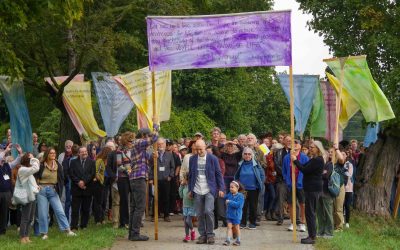
Rekindling Hope and Our Love for Earth: A Celebration of the Earth Charter’s 25th Anniversary By Stephen Posner, PhD In late 2025, nearly 1,000 people gathered at Shelburne Farms in Vermont...
“A solutions-oriented, transdisciplinary field and social movement focused on understanding and addressing the impacts of human disruptions to Earth’s natural systems on human health and all life on Earth.”
The Four Pathways
Biodiversity Stewardship
Ecological Cultures
Resilient regions require cultures that understand and operate within ecological limits. Ecological cultures align human systems—energy, food, buildings, transportation, governance—with the rhythms and regenerative capacities of the Earth. At the bioregional scale, this means fostering shared literacy about local ecosystems, building institutional norms that reflect watershed and climate realities, and cultivating leadership grounded in interdependence. Through place-based research, collaborative training and local partnerships, we help communities shift from extractive patterns toward regenerative practices that sustain both human and natural systems.
Regenerative Economies
Economic resilience is inseparable from ecological resilience. Regenerative economies strengthen local and regional systems—food production, small businesses, infrastructure, and financial flows—so that value circulates within the bioregion while restoring natural capital. This includes embedding bioregional resilience concepts into economic planning. By aligning investment and policy with ecological regeneration and community wellbeing, we help build durable regional economies that can withstand disruption and adapt to change.
Common Good
Bioregional resilience depends on a shared ethic of care—across neighborhoods, species, and generations. A Common Good framework recognizes that air, water, soil, infrastructure, and social cohesion are shared assets that require collective stewardship. This pathway emphasizes inclusive governance, participatory planning, and equitable adaptation strategies that reduce vulnerability while strengthening community cohesion. Through structured visioning, scenario planning, and cross-sector collaboration, we help communities make decisions that honor interdependence and safeguard the long-term wellbeing of both people and place.
You May Also Be Interested In
Participate
-
Reading the Chinese Classics for Self-Transformation and Social Reform | March 18 | 7-8:15 pm | Virtual
Engage
- The Contemplative-Based Resilience initiative, offering evidence-based tools for helping professionals to strengthen resilience and foster connection
Read
- Finding Awe in Nature by Stephen Posner in conversation with Kim Nolan