
March 2026
CBR Community
As we move toward spring, birds are beginning to chirp and small buds are pushing through winter’s chill. In this season of emergence, I find myself reflecting on how we access the world and the actions we take within it.
In a recent mini-episode of her podcast Becoming the People, Prentis Hemphill shares a clip from writer and sociologist Tressie McMillan Cottom, author of Thick: And Other Essays and opinion columnist for The New York Times. McMillan Cottom reframes burnout in a way that stopped me in my tracks. She suggests we can be depleted by underuse as much as by overextension, by work that asks nothing meaningful of us as much as by work that demands everything. Burnout isn’t always about doing too much. Sometimes it’s about losing connection to why the work matters.
This perspective connects to something a young person told researchers at Young Futures in their 2025 Impact Report: “It is a new day and age and my whole life is technically on my phone. That does not mean that it is a crippling addiction, but that is where my access to the world comes from.” For many of us, screens mediate how we work, connect, and exist in the world. The question isn’t whether to use these tools but how to bring awareness to this reality and nourish ourselves within systems designed to keep us perpetually connected.
Access takes many forms. This month’s newsletter explores how we find what works for each of us. There’s new research on personalizing contemplative practices. There are two newly formed CBR councils that deepen our collective wisdom. And there are invitations to access the healing presence of nature itself. The thread that runs through all of it is this: The practices and communities that sustain us are the ones we build together, with intention and care for what each person actually needs.
RESEARCH & PERSPECTIVE
Reflections and Insights from the Field
[This piece is co-authored by certified CBR Faculty Member Yikai Xu and CBR Director Carlos Rodarte.]
We are witnessing a chronically inflamed global village. The ongoing persistent destruction across systems (e.g., climate, peace, human/civil rights) continue to exhaust our limited resources and challenge our mind, body, and heart to navigate a world skillfully. It can be a daunting and overwhelming task when faced alone. Contemplative wisdom offers us two anchors for navigating this together: holding the right view, and engaging the right means.
Contemplative wisdom has taught us the importance of holding “the right view” and engaging “the right means.” In essence, this perspective invites us to dynamically reflect and reframe how we view ourselves, our practices, our relationships, and our experiences in alignment with a wisdom teaching (e.g., indigenous worldview, Buddhist principles, Christian values). As easy as it may sound, the invitation for alignment calls for an unusually radical acceptance of our presence. By accepting ourselves fully, and accepting the reality of the present moment, can we begin to see a path forward more clearly and invite compassionate action.
We found a converging pattern in research studies. Believing in the value of accepting negative emotions was recently linked to a greater likelihood of reappraising (i.e., viewing something through a different lens) a negative emotional experience, which was linked with greater psychological health and well-being (Xu & Tsai, 2025). Distinct from the extensive studies that have demonstrated the benefits of acceptance (i.e., a non-judgmental and non-reactive state to the present experience), this study highlighted the importance of holding “the right view” in the context of acceptance.
Further, to align “the right means” with “the right view” calls for personalization of practices with authenticity. Personalization has been implicitly and explicitly embedded in our day-to-day life. Countless digital apps, including those on mindfulness and well-being, embed algorithms that aim to learn from our behavior and offer tailored recommendations. Yet these algorithms may hold a limited and disembodied view of who we are, one that misses the richness of lived, everyday context that shapes what we actually need. The practices that matter most invite us to hold these suggestions lightly, while cultivating our own discernment through reflective, embodied experience.
This highlights the essential role of our insight of ourselves in powering personalization. This is where our self-knowledge becomes essential. Recent research found that some aspects of our personality (e.g., agreeableness) were closely linked to the benefits that people receive from short (vs. long) mindfulness practices (Strohmaier et al., 2026). Specifically, the study finding suggested that individuals with low agreeableness may benefit from starting with short practices (e.g., 5-minute) whereas those with high agreeableness may prefer longer practices (e.g., 20-minute). The study findings dovetail well with another recent study that highlighted the protective role of authenticity in promoting psychological well-being (Xu et al., 2025).
What these studies reflect, in many ways, is what practice itself gradually reveals to us. Together, they encourage us to compassionately and authentically integrate ourselves, our internal states and external contexts, in the process of engaging contemplative practices on our own and in communities. The ‘right’ practice is the one that dynamically integrates the essence of the wisdom teachings, such as compassion and impermanence, and the totality of you.
References:
Xu, Y., & Tsai, W. (2025). Acceptance beliefs about negative emotions and psychological well-being: The mediating role of emotion regulation. Personality and Individual Differences, 246, 113355. https://doi.org/10.1016/j.paid.2025.113355
Xu, Y., Zhang, G. Q., & Tsai, W. (2026). Longitudinal associations between expressive suppression and psychological health: The moderating role of authenticity and the ambivalence over emotion expression. Journal of Counseling Psychology, 73(1), 116–127. https://doi.org/10.1037/cou0000834
Strohmaier, S., Jones, F., & Medvedev, O. (2026). Evaluating the effectiveness of mindfulness practice doses in the general population through personalization—a randomized controlled experiment. Mindfulness, Feb. 2026. Springer Link, https://doi.org/10.1007/s12671-026-02762-5.
UPCOMING EVENTS
Monthly Resilience Circle
March 17 | 12:00-1:00pm ET | Virtual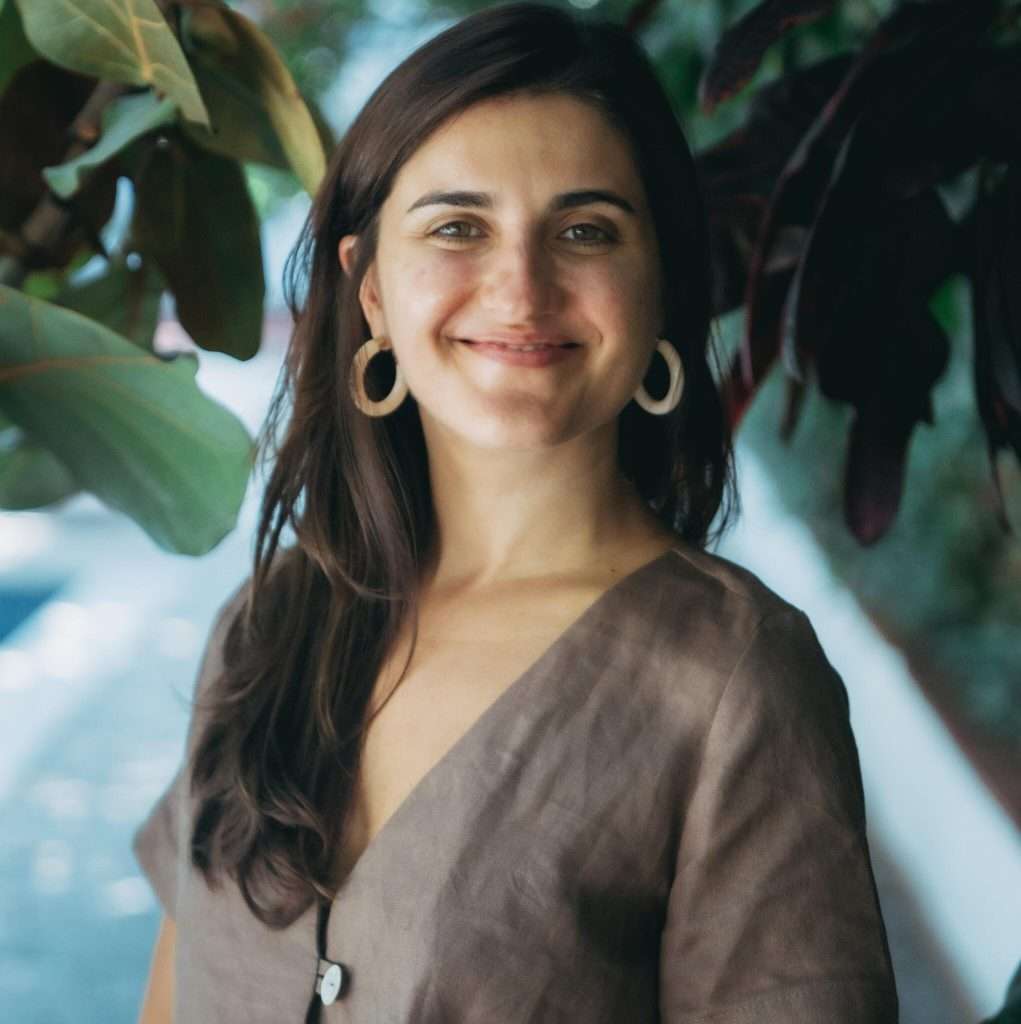
Hosted the third Tuesday of every month, our free drop-in Resilience Circles provide a restorative midday pause for helping professionals. Each session offers guided meditation, mindful movement, and reflective discussion about stress, burnout, and emotional sustainability. Join when you can; there’s no requirement for ongoing participation. This month’s resilience circle features certified CBR Faculty, Isabel Unanue.
REGISTER
Team Daylong Retreat & Renewal
Spring & Summer Dates
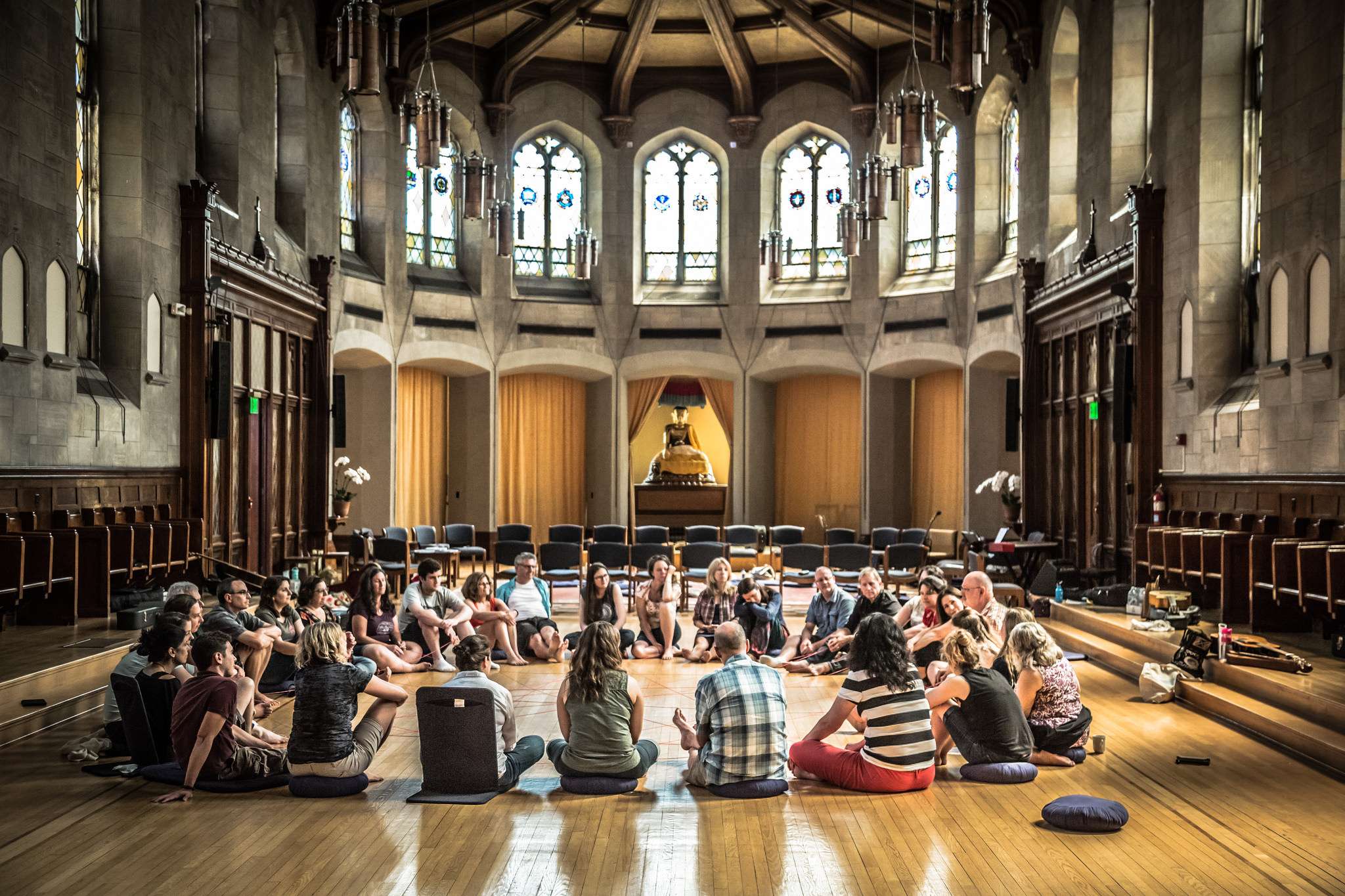
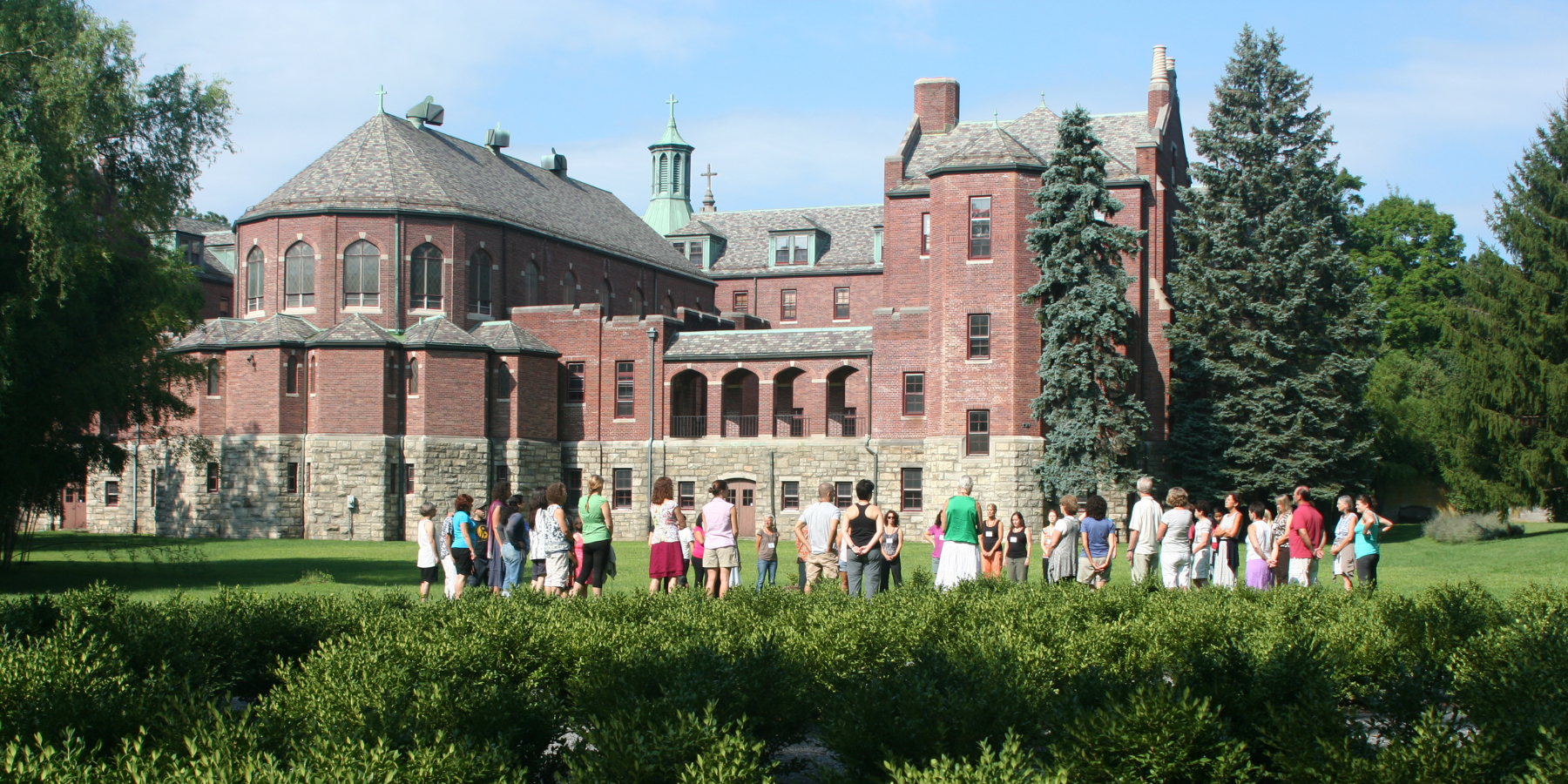
If you lead a care team, healthcare organization, or human service group, we can design a customized daylong retreat for you. Through guided meditation, mindful movement, and CBR practices woven throughout river walks, reflective time outdoors, and immersive sessions on our forested grounds, your team will build the capacity to care for others and themselves while finding meaningful connection with each other and the natural world around them.
There is something well documented in research, and most of us feel it instinctively: Our nervous systems settle more easily in nature. Being outside, near water, among trees, helps the body remember how to rest. We bring our work into these spaces intentionally, because we believe that where healing happens matters. The day includes program planning and facilitation, use of our sanctuary hall and breakout spaces, locally sourced meals, and access to our trails, riverside paths, and natural sacred spaces. Select dates are available during the Spring and Summer months. To learn more, email CBR Director Carlos Rodarte at cbrproject@garrisoninstitute.org.
EVENT RECAP
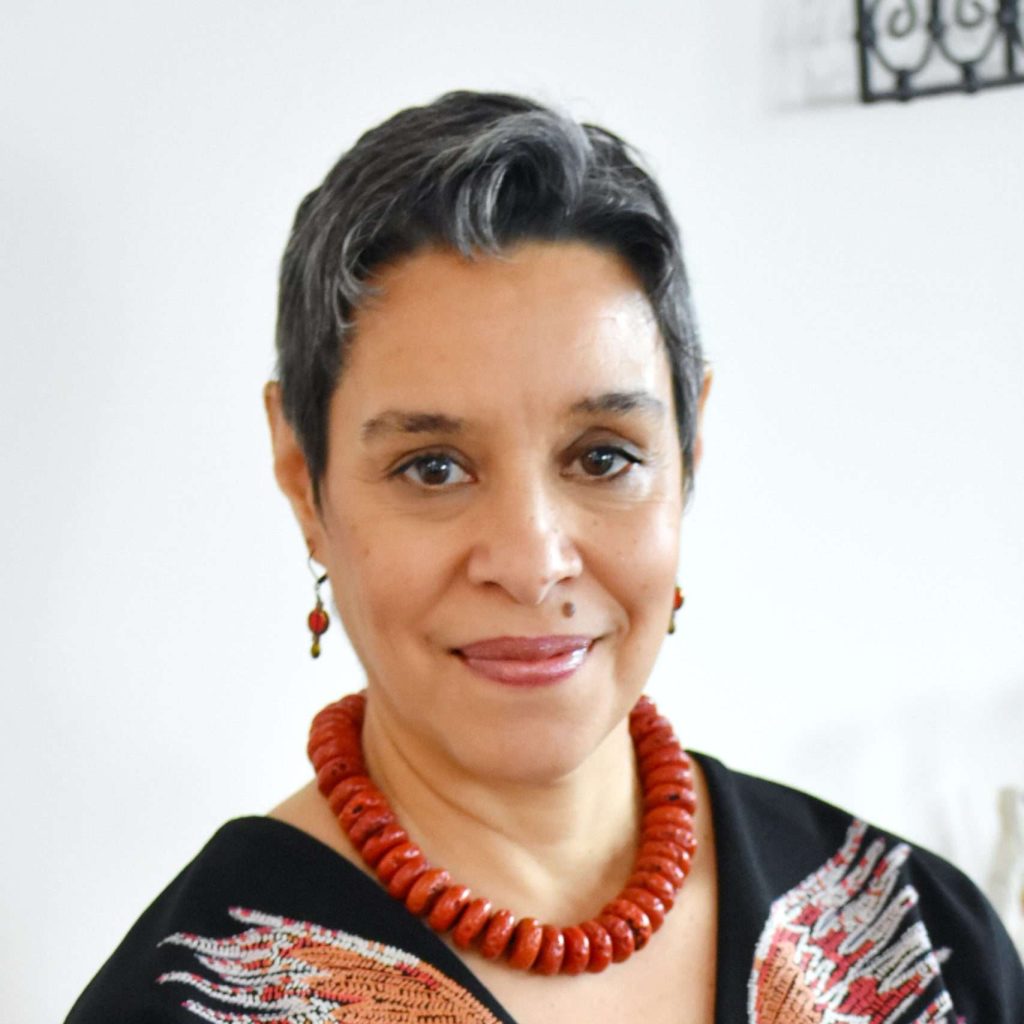
February’s Resilience Circle
During last month’s Resilience Circle, CBR Faculty member, Isabel Saez guided us through a meaningful meditation, centered on how to cherish oneself more deeply.
COMMUNITY BUILDING
Healthcare Advisory Council and Community Council
Central to the CBR Initiative is the belief that meaningful work happens in relationship. We are committed to growing alongside leaders in their fields, as well as with people who have participated in our programs and carry hard-won wisdom to share. After a multi-month process of deep listening and discernment, we are glad to introduce two new councils that will help CBR reach more people who serve others, so they too can be well to serve well.
The first is our Healthcare Advisory Council, which brings together leading changemakers: physician and nurse leaders, health equity advocates, philanthropy leaders, and practitioners with deep expertise in contemplative care models.
The second is our CBR Community Council, made up of people who, over the years, have joined CBR retreats and offerings and experienced their impact firsthand. Grounded in that shared experience, they are committed to nurturing and deepening our work so that it continues to grow in accessibility and relevance for all who need it.
Community Reflection
Part of the value of this newsletter is building community and learning from one another’s experiences. At the Garrison Institute and within CBR, we often reflect on the impact we hope to have and how we can best support participants. What matters most is hearing directly from you.
Reflection: When you think about your experiences with CBR, whether a retreat, resilience circle, or workshop, what impact do these practices have on your day-to-day life? Are there things you feel more or less equipped to navigate?
Let us know your thoughts. We’ll share highlights from what the community tells us in an upcoming newsletter.
SHARE REFLECTIONS
JOIN US
An Invitation
What you bring to this community matters. Your presence, your questions, your care for one another and for yourselves—these are not separate from the work. They are the work.
There is meaningful work taking shape. New offerings are scheduled for this summer, and we look forward to sharing more in our April newsletter. As the need for this work grows more urgent, we remain committed to supporting social changemakers and meeting that need with care, depth, and intention. Thank you for reading, and for carrying it with us.
With gratitude,
Carlos Rodarte
Director, Contemplative-Based Resilience
carlos@garrisoninstitute.org