By Lily Rockefeller
Few academic gatherings bring together the rigor of scientific inquiry and the depth of contemplative practice as successfully as the Mind & Life Summer Research Institute (SRI), which took place June 7-12 at the Garrison Institute. Since its founding in 2004, SRI has been a driving force in the development of the field of contemplative science. Now in its third decade, SRI continues to convene leading researchers and contemplatives to explore some of the most pressing questions at the intersection of mind, human flourishing, and social transformation.
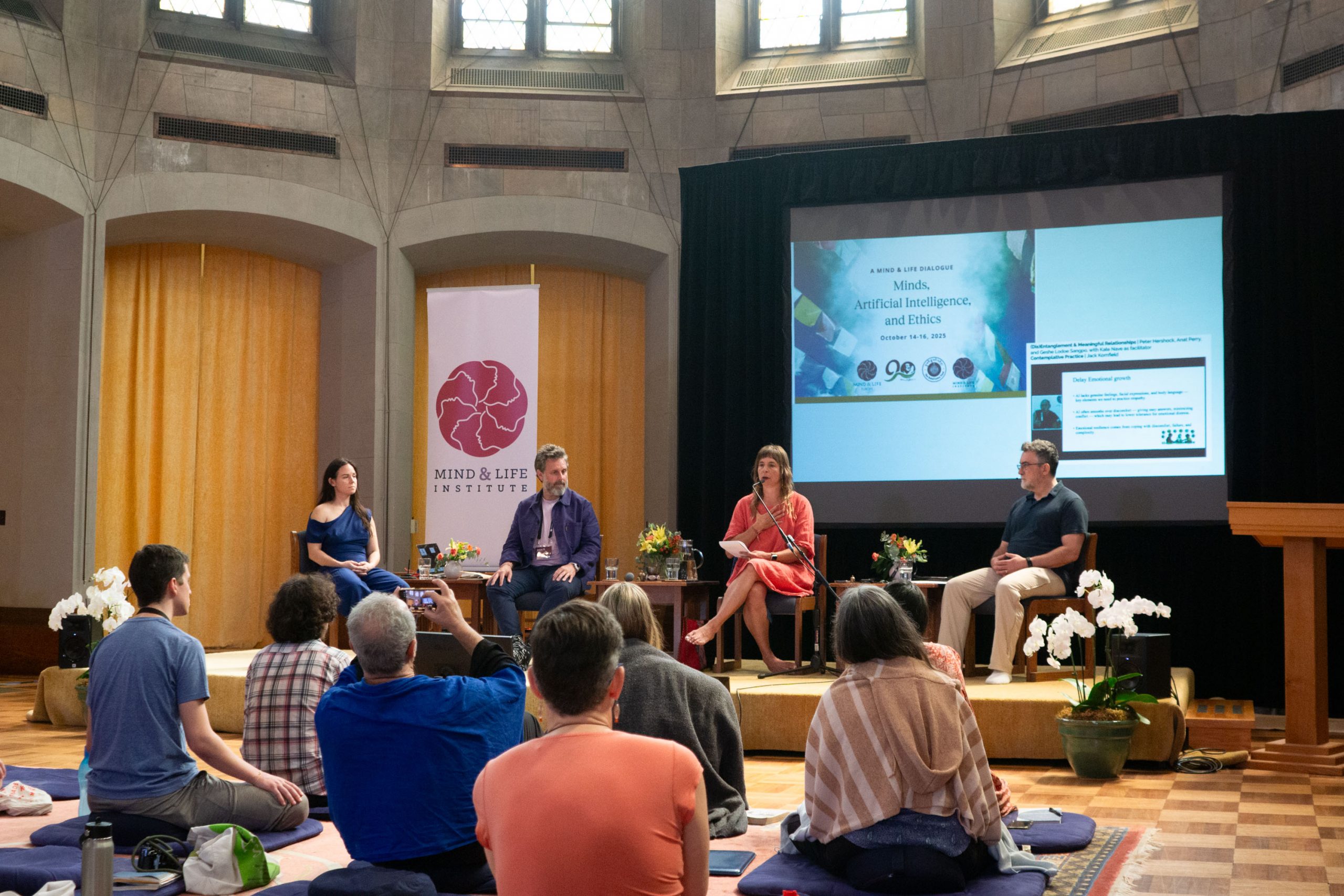
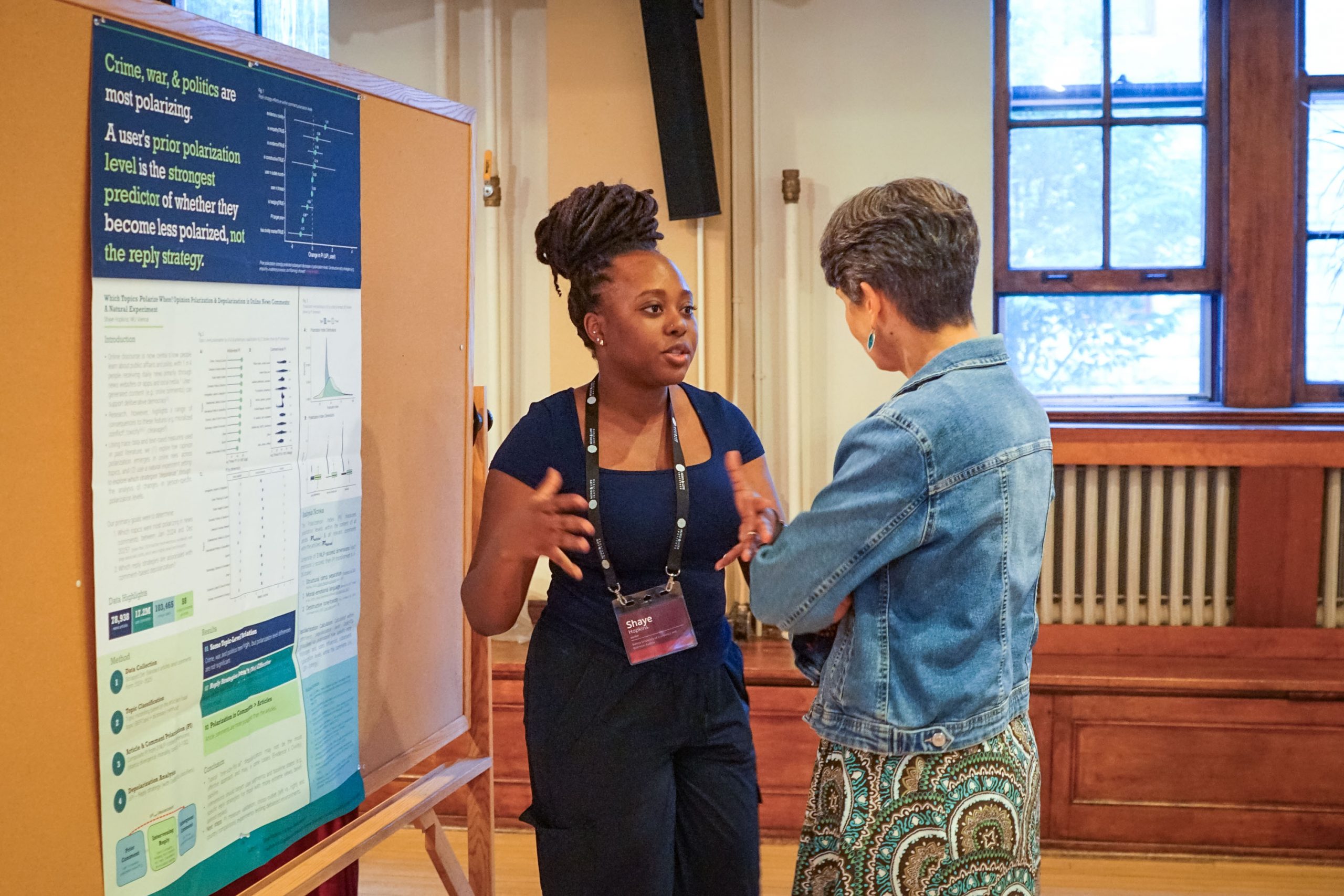
Unlike a traditional academic conference, SRI invites participants into a week-long immersive retreat that blends scientific inquiry, contemplative practice, and genuine community. The rhythm of the week, moving between plenary sessions, panel discussions, yoga, and silent contemplation, created a rare environment for exploring complex questions with both analytical depth and personal insight. This year’s theme, Depolarization: Cultivating Connection in a Divided World, invited participants to explore how polarization impacts our minds, relationships, institutions, and communities, and how contemplative science can help illuminate pathways toward greater understanding and social cohesion.
Among this year’s featured thinkers was social psychologist Nilanjana “Buju” Dasgupta. Her recent book, Change the Wallpaper: Transforming Cultural Patterns to Build More Just Communities, explores how the cultures of schools, workplaces, and communities shape our sense of belonging and possibility. Drawing on decades of research, Dasgupta shows how small changes to those environments can have outsized effects on individual behavior and collective outcomes. Her work, as presented at this year’s gathering, offered a timely perspective on how communities can foster belonging and connection in an increasingly polarized world.
Political scientist David Broockman brought a complementary perspective through his project, “The Nature and Origins of Political Polarization in America.” Challenging conventional narratives about a nation growing ever more divided, Broockman examined the extent to which political elites, not necessarily ordinary citizens, have driven increasing polarization. His work raises the possibility that many voters are less polarized than prevailing narratives suggest, pointing to overlooked opportunities for connection across political divides. In the context of this year’s focus on depolarization, Dasgupta’s and Broockman’s research offered a timely reminder that careful empirical inquiry can reveal opportunities for connection that are often obscured by the dynamics of contemporary social and political life.
Since 2004, the Summer Research Institute has made its home at the Garrison Institute. The retreat center setting supports sustained intellectual exchange alongside reflection, giving participants the time and space to sit with complex questions and one another’s perspectives. The 2026 gathering was a reminder that, in an era of increasing fragmentation, there is immense value in creating spaces where people can think deeply together. The combination of intellectual rigor, reflection, and genuine connection remains central to both SRI’s enduring impact and the Garrison Institute’s mission.